
OVERVIEW OF SERVICES

Post-Stroke Acupuncture

A specialised TCM therapy designed to support neurological recovery, improve mobility and enhance quality of life after stroke.


This specialized acupuncture treatment involves the precise insertion of thin, sterile needles into specific acupuncture points (and often scalp points) tailored for neurological recovery.

In TCM terms, stroke is often associated with obstruction of the meridians by wind, phlegm, blood stasis, or Qi deficiency. Acupuncture helps restore the smooth flow of Qi and blood, awaken affected pathways and support the body’s natural healing process.

This treatment is specifically designed for individuals navigating the recovery phase after a stroke, focusing on symptoms such as:

  • Weakness or paralysis of the limbs on one side of the body
  • Speech difficulties (aphasia) or swallowing issues (dysphagia)
  • Difficulty walking or impaired coordination
  • Numbness or tingling sensations in the limbs
  • Poor sleep, emotional stress or mental fog
  • Post-recovery / wellness maintenance to prevent future recurrences and maintain mobility
  • Supports recovery of muscle strength and movement in affected limbs
  • Improves mobility, balance and overall coordination
  • Helps reduce numbness and improve sensation in the limbs
  • Supports speech and swallowing function during rehabilitation
  • Enhances circulation and Qi flow to promote recovery
  • Helps improve mental clarity, emotional well-being and sleep quality
  • Reduces muscle stiffness and discomfort associated with post-stroke recovery
  • Supports overall vitality and quality of life during rehabilitation
  • Consultation (pulse/tongue diagnosis)
  • Functional assessment by practitioner
  • Treatment process explanation (Treatment may include body acupuncture, scalp acupuncture, electro-acupuncture)
  • Duration (e.g. 45-90 minutes)

Sensation During Treatment

  • Sensations vary according to the treatment methods used
  • Mild warmth, tingling, heaviness, pressure or temporary soreness may be experienced
  • Cupping and Gua Sha may produce a stretching or releasing sensation in areas of tension
  • Most patients find the treatment comfortable and relaxing, often leaving them feeling refreshed and rejuvenated

What to do after treatment:
Rest adequately after treatment. Continue with your prescribed physical therapy exercises and physiotherapy as recommended.

What to avoid:

  • Excessive alcohol consumption and smoking
  • Strenuous physical activities immediately after treatment unless advised otherwise
  • Exposure of treated areas to excessive heat, cold, or friction

Expected Reactions:
Some patients may experience:

  • Mild tiredness
  • Temporary bruising at needle sites
  • Increased sensation or muscle twitching as nerves respond to treatment

These reactions are generally mild and temporary.

  • Individuals with unstable medical conditions or acute emergencies
  • Patients with severe bleeding disorders
  • Individuals taking high-dose anticoagulant medication (requires physician assessment)
  • Areas affected by active skin infections or open wounds
  • Patients with implanted pacemakers if electro-acupuncture is being considered
  • Pregnant women (certain acupuncture points are contraindicated)

Please inform your physician of your complete medical history before treatment.

Post-stroke recovery is most effective when multi-pronged. This treatment can be seamlessly paired with:

  • Herbal medicine (to nourish the brain, resolve blood stasis and boost vital energy)
  • Moxibustion (to warm the meridians and improve blood flow to weak limbs)
  • Gentle Cupping / Gua Sha (to relieve severe muscle stiffness in the shoulders and back)
  • Integrated Rehabilitation Programmes
  • To complement conventional physiotherapy and rehabilitation plans

Is the treatment painful?
Acupuncture needles are extremely fine. Most patients experience minimal discomfort and often find the treatment relaxing.

When is the best time to start acupuncture after a stroke?
Generally, the sooner, the better. Once the patient’s vital signs are stable and the acute medical crisis has passed, starting acupuncture within the first 3 to 6 months offers the best rehabilitation outcomes.

How many sessions are needed?
Neurological recovery takes time. A typical course consists of 2 to 3 sessions per week for several weeks, with regular progress assessments by our physician.

Any side effects?
Acupuncture is generally safe when performed by a qualified TCM physician. Minor bruising, temporary soreness or mild dizziness may occasionally occur.

EXPLORE OUR PACKAGES

Stress & Sleep Wellness

A treatment package that combines Acupuncture and Moxibustion to promote relaxation, support emotional balance, and improve overall sleep quality.
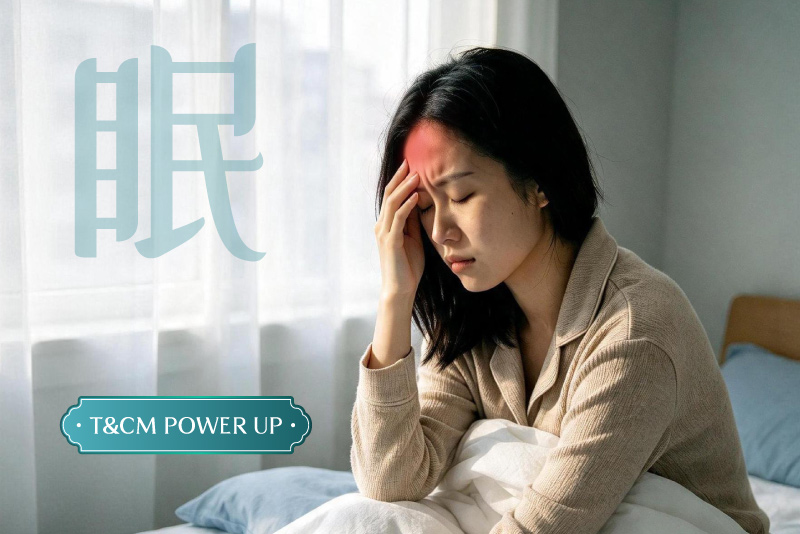
Sleep

Pain Relief & Mobility

A treatment package that combines Acupuncture, Cupping, and Auricular Therapy to help relieve pain, improve mobility.
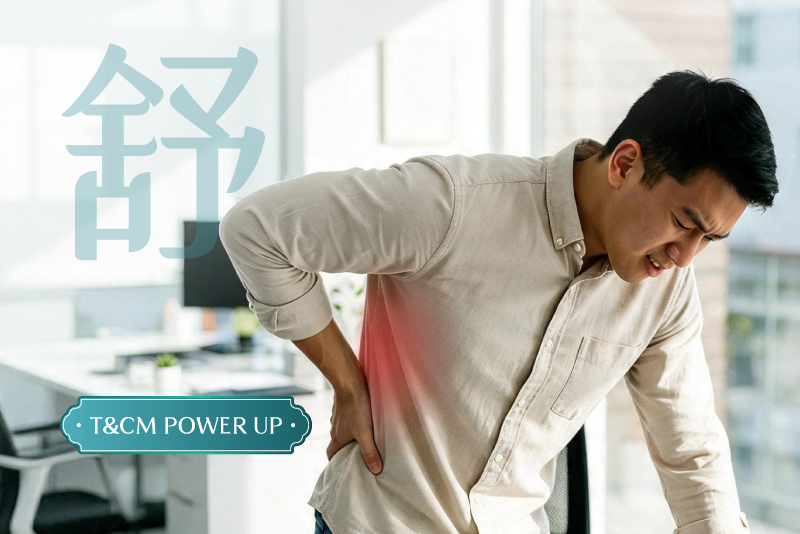
Pain Relief

Facial Rejuvenation

A curated, minimally invasive treatment package that combines cosmetic acupuncture and facial gua sha to enhance skin health from within.
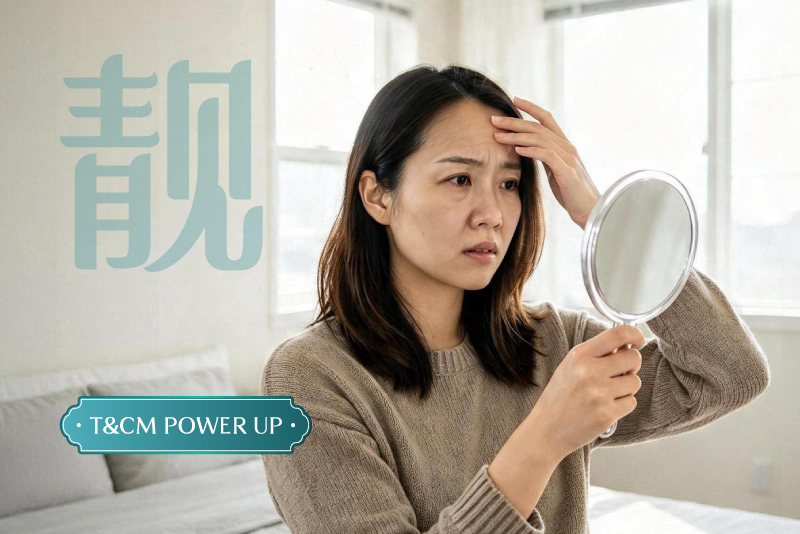
Facial